Recording Academy Introduces Best Asian Pop Performance Category, Igniting Debate Over Global Representation
The Recording Academy’s official establishment of a dedicated Best Asian Pop Performance category ahead of the 69th Annual Grammy Awards in 2027 has catalyzed profound structural debate across international record labels, music academics, and artist communities worldwide. The initiative represents the prestigious institution’s most direct effort to formally address the exponential commercial and artistic ascendancy of Asian pop music across Western entertainment ecosystems.
As analyzed in extensive investigative reporting by The Washington Post and Grammy.com, the category was conceived to provide institutional recognition for outstanding recorded achievements emerging from East Asia, Southeast Asia, and the global Asian diaspora, encompassing K-pop, J-pop, Mandopop, and vibrant regional contemporary pop styles. However, the policy has simultaneously ignited rigorous industry discourse regarding the precarious balance between cultural celebration and systemic award segregation.
The Institutional Dilemma: Recognition Versus Category Partitioning
Throughout the history of Western recording honors, the introduction of regional, linguistic, or ethnic categories has consistently presented complex conceptual challenges. On one hand, advocates maintain that Best Asian Pop Performance provides vital exposure and voting representation for talented independent ensembles and boundary-pushing soloists who face structural barriers within English-dominated commercial radio formats.
Conversely, prominent industry figures voice deep concern that specialized categories inadvertently serve to divert major Asian artists away from the Grammys’ historic General Field honors: Album of the Year, Record of the Year, Song of the Year, and Best New Artist:
- Asian artists have repeatedly proven their commercial supremacy by topping the Billboard 200, commanding multi-night stadium tours across North America and Europe, and amassing billions of authenticated streams.
- Aggregating diverse artistic outputs from the world's most populous and stylistically heterogenous continent into a solitary container risks oversimplifying distinct traditions ranging from hyper-produced pop and hip-hop to alternative indie and acoustic ballads.
- Music sociologists point to the contentious history of legacy categories, such as the former Best World Music Album, which required sweeping nomenclature reforms after being criticized for marginalizing non-Western expressions.
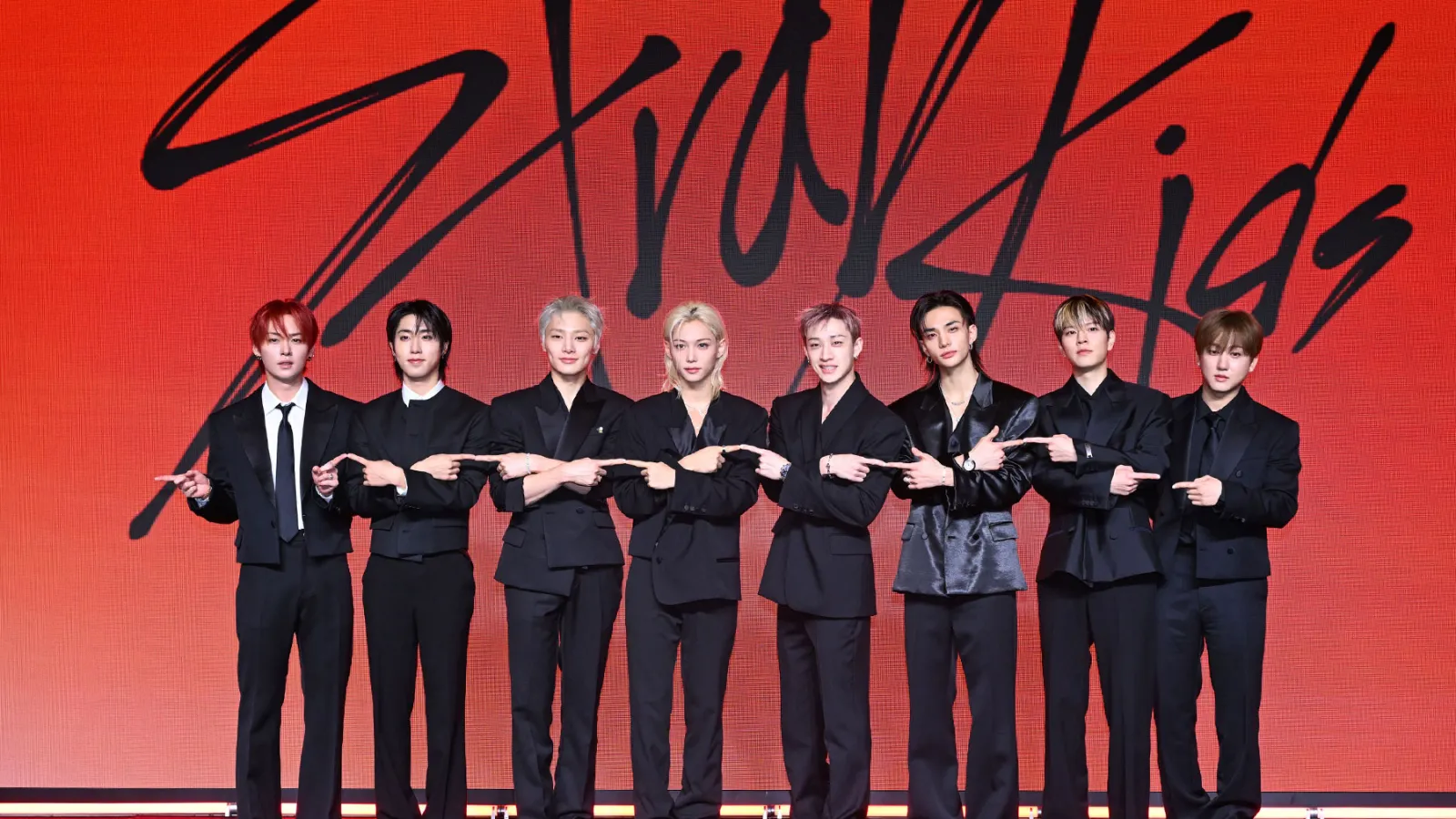
The recent decision by cultural leaders BTS and Stray Kids to decline submitting recorded entries for the 69th Grammy Awards is widely regarded as a tangible manifestation of these industry anxieties. By abstaining, these artists signal a conviction that their recorded work warrants direct evaluation within general pop categories alongside international peers, free from regional confinement.
The Borderless Nature of Modern Musical Consumption
The ongoing discourse surrounding the 2027 Grammy regulations mirrors a fundamental transformation in how global audiences discover and embrace music. In an interconnected digital era defined by instantaneous streaming and algorithmic discovery, contemporary listeners no longer regard language, geography, or national borders as barriers to emotional resonance.
Listeners in New York, London, Tokyo, and Jakarta consume multilingual compositions with identical passion and cultural literacy. Similarly, instrumentalists and songwriting scholars study Asian pop chord progressions with deep fascination, dissecting their sophisticated integration of modal harmonies, jazz substitutions, and infectious pop hooks.
Defining the Future of International Music Honors
The Recording Academy’s forthcoming implementation and voting transparency will critically determine the initiative’s long-term institutional legitimacy. The global music business closely monitors how voting screening committees will adjudicate submissions, and whether the Academy can ensure that Best Asian Pop Performance serves as an authentic springboard rather than an institutional glass ceiling.
Ultimately, the debate underscores an undeniable historical reality: the center of gravity within global popular music has permanently decentralized, with Asian creators firmly established as vital architects shaping the present and future of international musical culture.