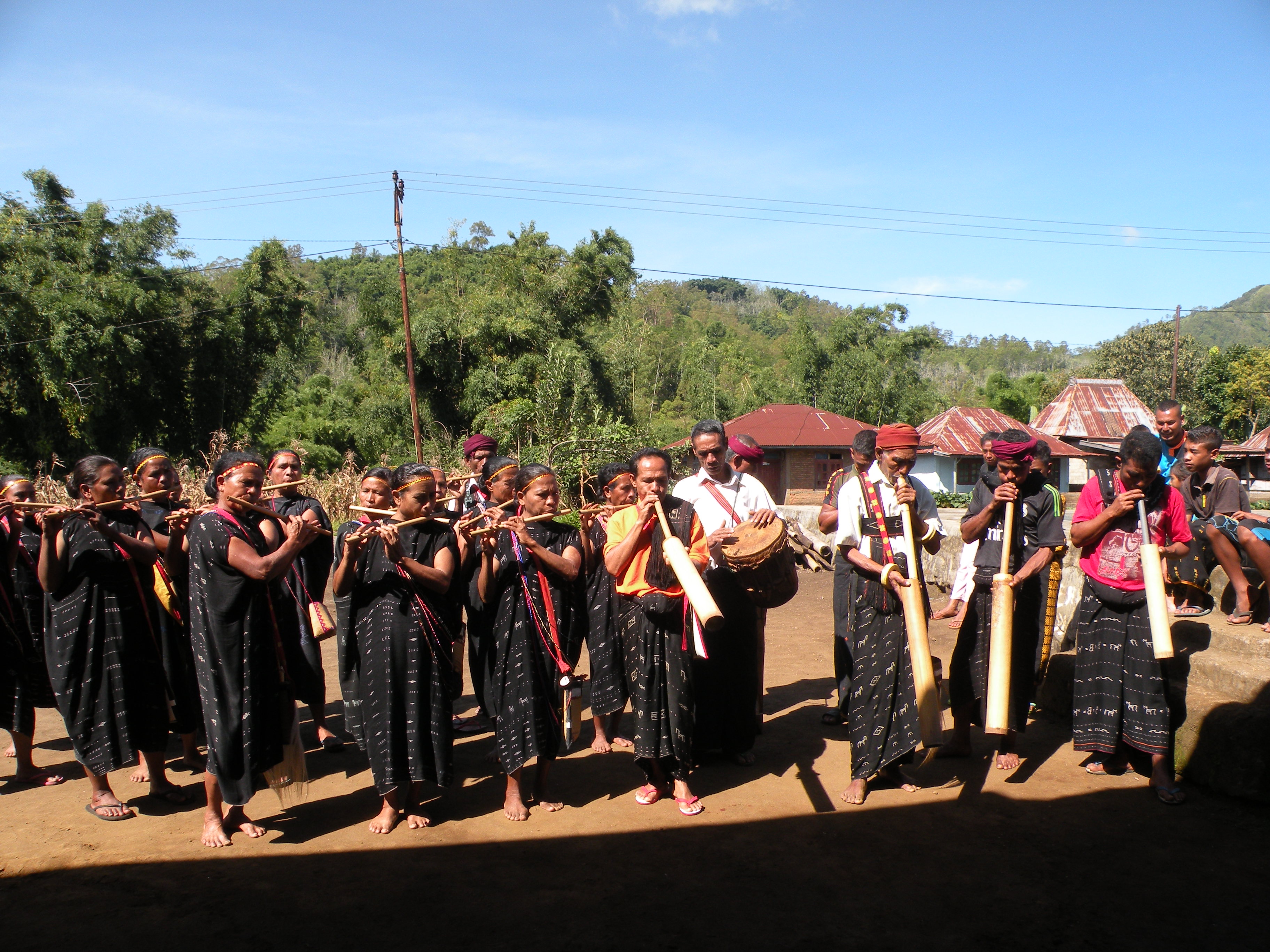
Talaud Bamboo Music Inscribed as National Intangible Cultural Heritage for 2026
Indonesia's cultural preservation efforts achieved a major milestone with the formal inscription of bamboo music from the Talaud Islands Regency, North Sulawesi, as National Intangible Cultural Heritage (WBTb) for 2026. The national determination, reported through Radio Republik Indonesia (RRI), followed exhaustive evaluations by cultural appraisal committees assessing the art form's historical lineage, organological ingenuity, and enduring communal function across the country's northernmost maritime borderland.
This formal recognition underscores that Talaud bamboo music transcends festive ceremony. It embodies generations of indigenous acoustic knowledge, environmental stewardship of bamboo varieties, and an intricate communal performance discipline passed down orally for more than a century.
Acoustic Complexity and Bamboo Organology
From an ethnomusicological perspective, the Talaud bamboo ensemble stands among the most sophisticated bamboo wind and percussion configurations in Southeast Asia. Instruments are handcrafted from native bamboo culms harvested according to seasonal lunar cycles, subsequently cured and smoked to preserve dimensional stability and acoustic resonance.
A typical full-scale ensemble incorporates stratified melodic and harmonic voices:
- Bamboo cornets and clarinets executing intricate lead melodies in the soprano register.
- Alto and tenor bamboo saxophones articulating lush counter-melodies and middle harmonic pads.
- Massive longitudinal bamboo bass tubes providing sub-harmonic acoustic foundations.
- Coordinated bamboo percussion and rhythmic drums governing dynamic tempo shifts.
The acoustic convergence of dozens of bamboo conduits of differing lengths and bores generates an earthy, resonant timbre that distinctly bridges Western diatonic ensemble models with traditional Indonesian maritime tonalities.
Communal Integration and Generational Sustainability
Across the Talaud archipelago, bamboo ensembles serve as communal glue across civil and spiritual gatherings. They provide the ceremonial sonic backdrop for harvest celebrations, civic inaugurations, church festivals, and maritime rites. Maintaining an active ensemble requires rigorous cooperation, where up to thirty musicians harmonize as a single acoustic organism.
Despite achieving national heritage status, community elders and master craftsmen acknowledge pressing sustainability hurdles. Access to mature bamboo stands has been constrained by environmental shifts, while younger generations face growing disconnection from manual instrument-making crafts.
Cultural custodians hope that the 2026 national heritage inscription will spur institutional support, structured music curriculum inclusion in regional schools, and comprehensive digital audio archiving to ensure the resonant voice of Talaud's bamboo heritage endures for future generations.